EXOPLANETS #4 - Kepler 186F
Artistic conception of Kepler 186F.
We find Kepler-186f orbiting the red dwarf Kepler-186, being just a bit bigger than Earth. The planet is located well within the habitable zone of the star. The first pleasant surprise, nonetheless quite expected, is that the planet is not tidally locked. However, its slow rotation makes for days and nights of nearly three weeks long.
Behold, however, the bizarre beauty of the first recordings in Kepler 186F. The curious rock formations suggested erosion by water but, when the systems on our drones began to fail we realized the true reason: There is a neverending ash cloud formed by a compound very similar to magnetite ,and the rocky shapes we see though our cameras are the result of thousands of years of small magnetic ash accumulating over and over. The biggest structures could reach a million years in its formation.
Our most immediate goal is to leave this desert area before the magnetic ash renders our equipment useless.
EXOPLANETS - Kepler 186F
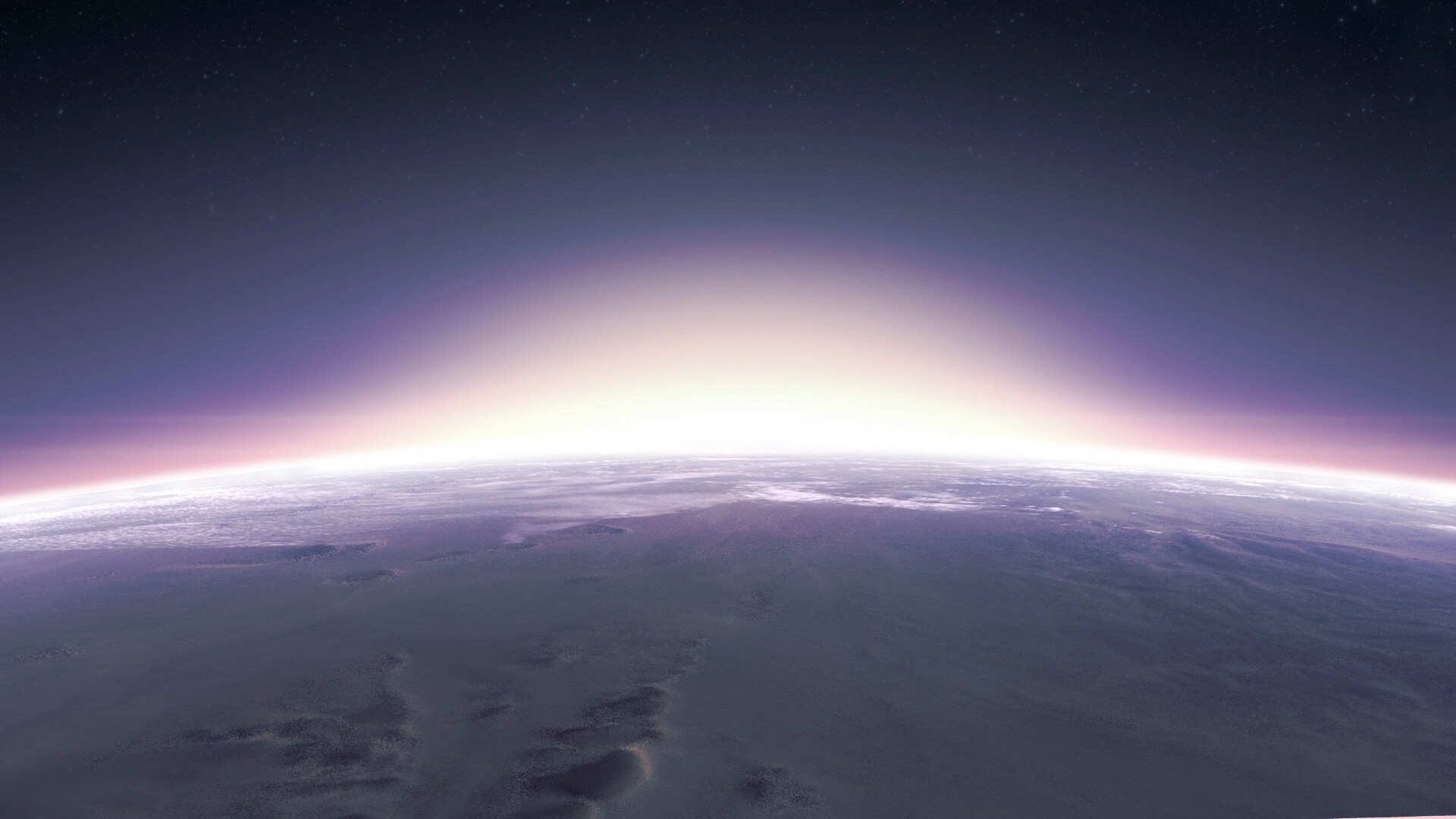
Kepler 186F from orbit

Some layers over the original video